
Chenchu Multi Activity Resource and Training Centres (C-MART)
The Chenchu Multi-Activity Resource and Training Centre (C-MART), supported by the Paul Hamlyn Foundation, empowers Chenchu tribal communities through sustainable livelihoods, education, healthcare and governance.
Introduction
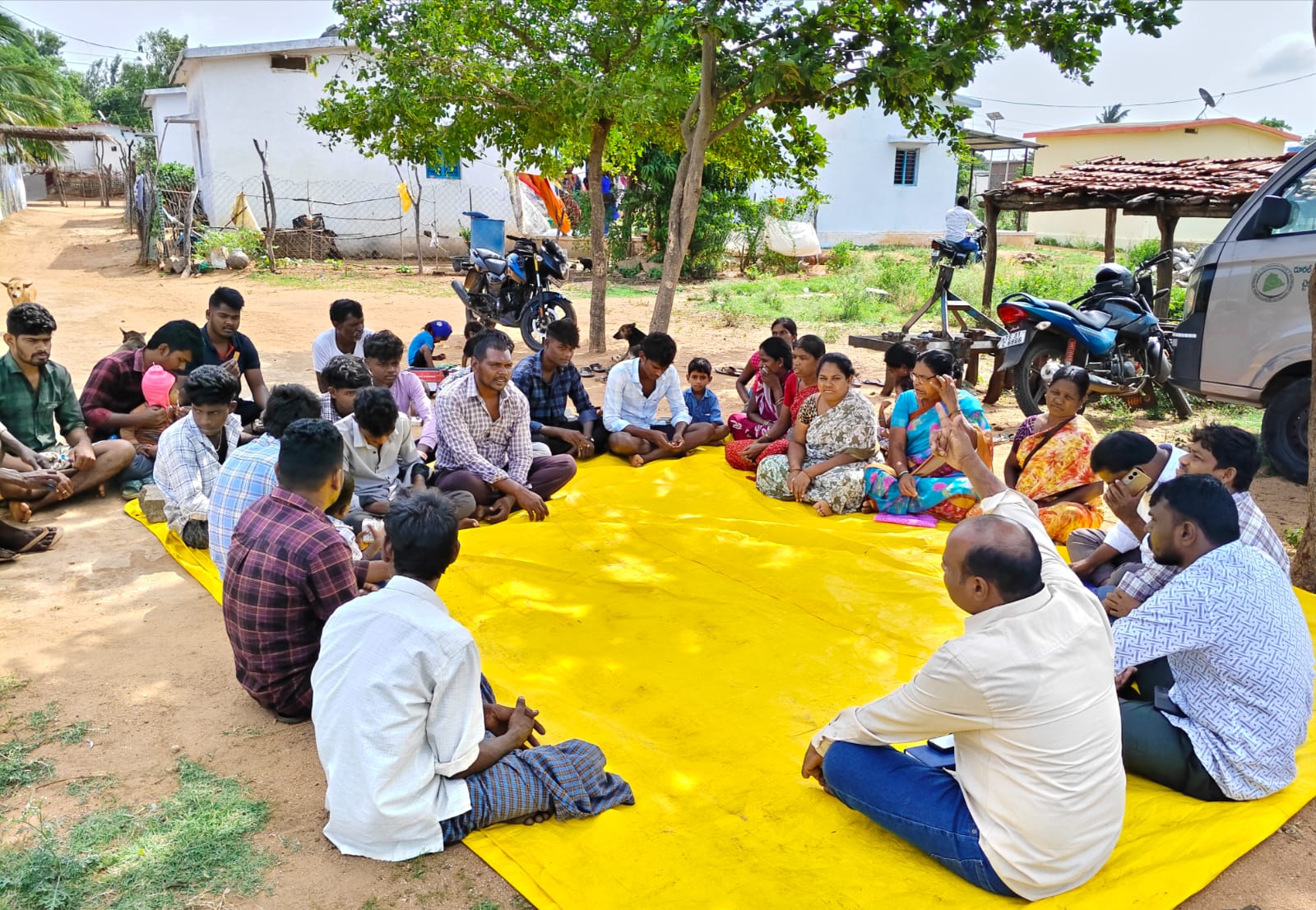
The Chenchu Multi-Activity Resource and Training Centre (C-MART), implemented by CONARE with the support of the Paul Hamlyn Foundation, has been a transformative initiative for the Chenchu tribes of Nagarkurnool District, Telangana.
Over three years, the project worked across 20 villages to strengthen livelihoods, education, health, governance, and cultural preservation, creating sustainable development opportunities while respecting the traditional lifestyle of the tribal communities.
Program Details
The Chenchu Multi-Activity Resource and Training Centre (C-MART), project being implemented by CONARE with support from the Paul Hamlyn Foundation, has been a transformative initiative for the Chenchu tribes of Nagarkurnool District, Telangana. Over three years, the project worked across 20 villages to strengthen livelihoods, education, health, governance, and cultural preservation.
The key activities under the project are:
Livelihood Activities: C-MART’s livelihood activities were designed to blend traditional practices with modern sustainability, ensuring that the Chenchu tribes could strengthen their economic base without compromising ecological balance. Families were encouraged to diversify their income sources through millet cultivation, kitchen gardening, dairy and poultry farming, honey harvesting, and NTFP value addition. Millet cultivation not only provided a resilient crop suited to local climatic conditions but also enhanced nutritional security. Kitchen gardens ensured year- The establishment of five C-MART Centres acted as community hubs, offering tools, training, and market linkages that connected families to government schemes and formal markets. These centers became catalysts for self-reliance, equipping households with knowledge on sustainable farming practices and cooperative marketing round access to fresh vegetables, reducing dependency on external markets and improving dietary diversity. Dairy and poultry farming created steady income streams, while honey harvesting tapped into forest resources in a sustainable manner. The value addition of Non-Timber Forest Produce (NTFP) allowed families to move beyond raw collection, enabling them to process and market products at higher prices, thereby increasing profitability.
Key Activities
- Millet Cultivation
- Kitchen Gardening
- Dairy Farming
- Poultry Farming
- Honey Harvesting
- Non-Timber Forest Produce (NTFP) Value Addition
Program Gallery