Access to Justice Project – Child Protection
The Access to Justice Project strengthens child protection systems by preventing child labour, child marriage, and child trafficking while ensuring access to education, legal support, government welfare schemes, and a safe environment for vulnerable children.
Introduction
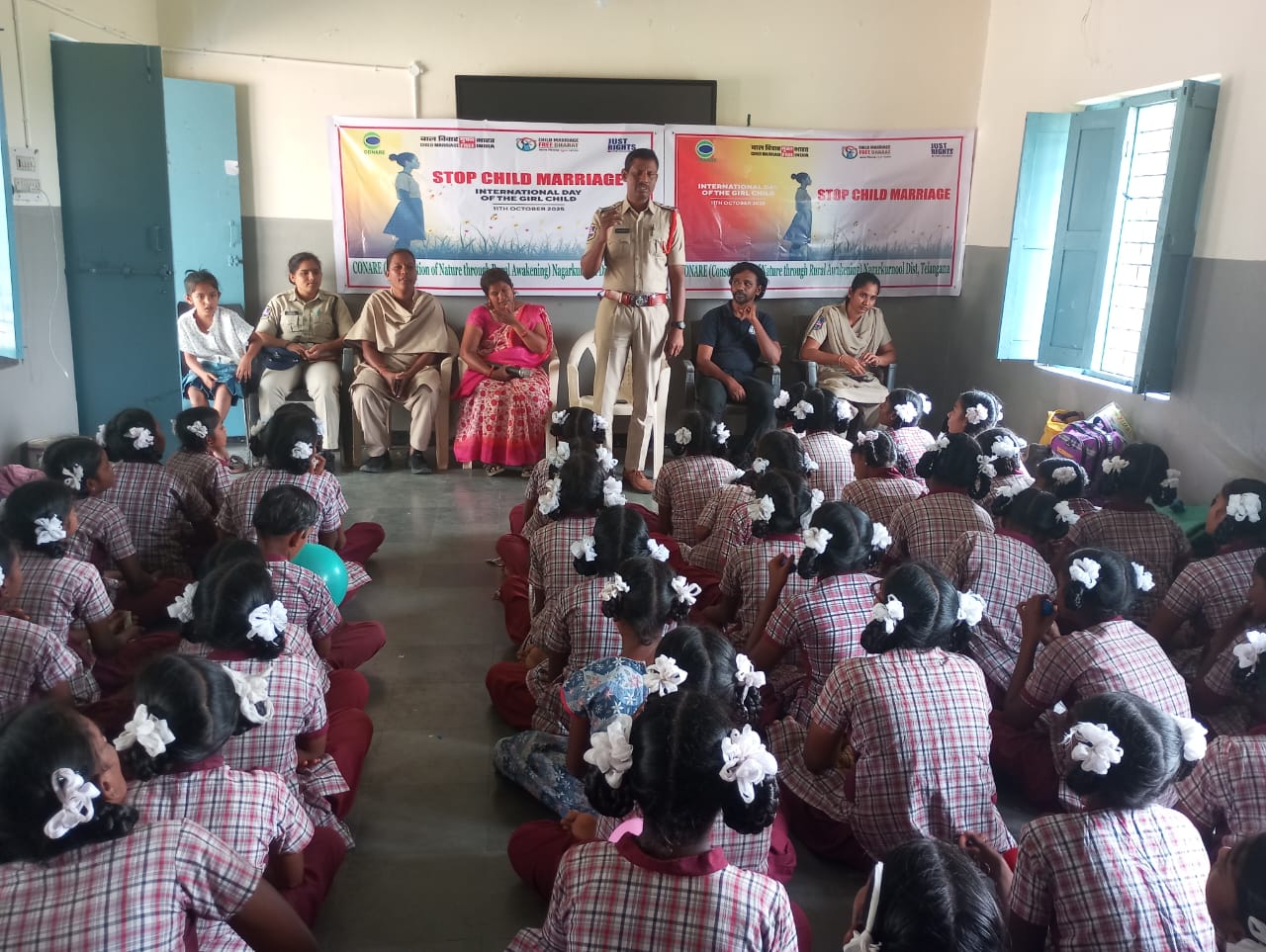
The Access to Justice Project is implemented by CONARE to protect the rights and well-being of vulnerable children through community participation, awareness programmes, and institutional support. The initiative focuses on creating a safe and protective environment by preventing child labour, child marriage, child trafficking, and other forms of child abuse.
The programme works closely with government departments, schools, communities, Child Protection Committees, and local institutions to strengthen child protection mechanisms and ensure that every child has access to education, healthcare, and legal support.
Program Details
The Access to Justice Project implemented in Nagarkurnool, and Mulugu Telangana and Kurnool, Andhra Pradesh was conceived as a comprehensive intervention to safeguard children from exploitation and harmful practices that threaten their well-being and future. Recognizing the prevalence of issues such as child marriage, child trafficking, and child labour in vulnerable tribal and rural communities, the project sought to build a protective ecosystem where children could grow up with dignity, free from exploitation, and with access to education and development opportunities.
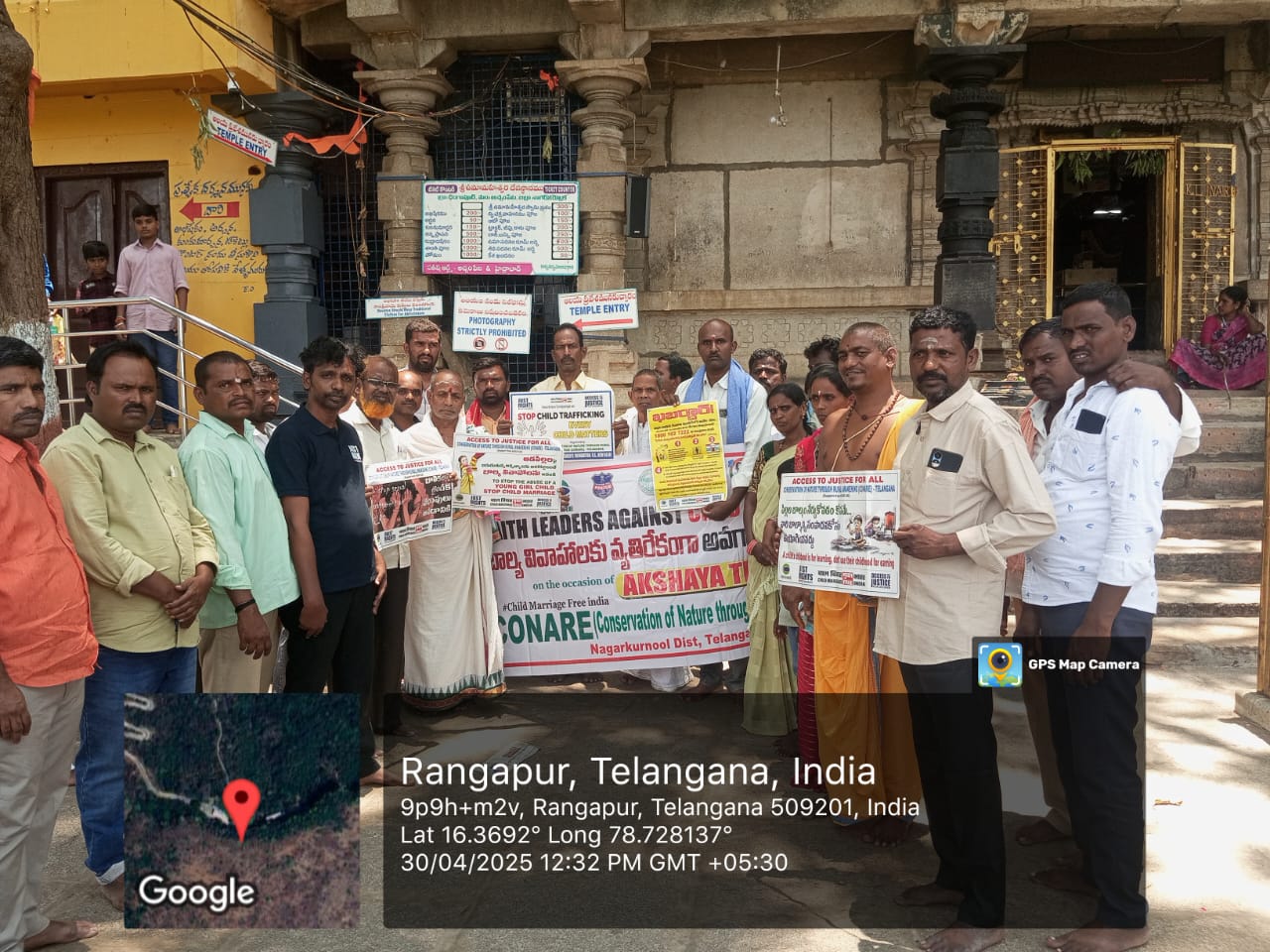
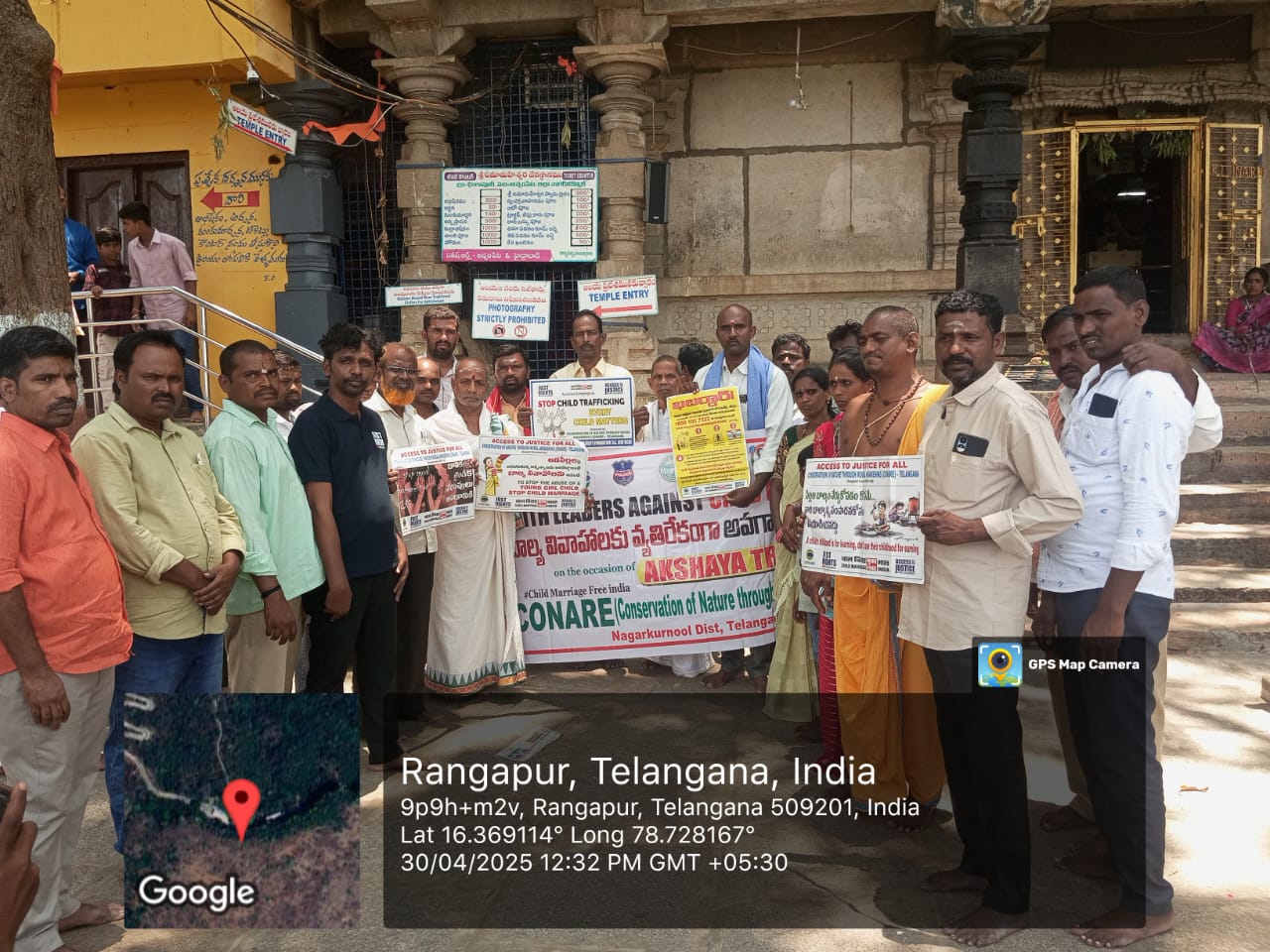
At its core, the project emphasizes collaboration across multiple levels of society. By engaging grassroots institutions, religious leaders, and government agencies, it ensures that protective measures are not only implemented but also culturally accepted and community-driven. This multi-stakeholder approach strengthens accountability and creates a network of support that makes harmful practices harder to sustain. The project also focuses on shifting social norms, raising awareness about children’s rights, and empowering families to prioritize education and safety over exploitative traditions
The key activities being taken up under this project are:
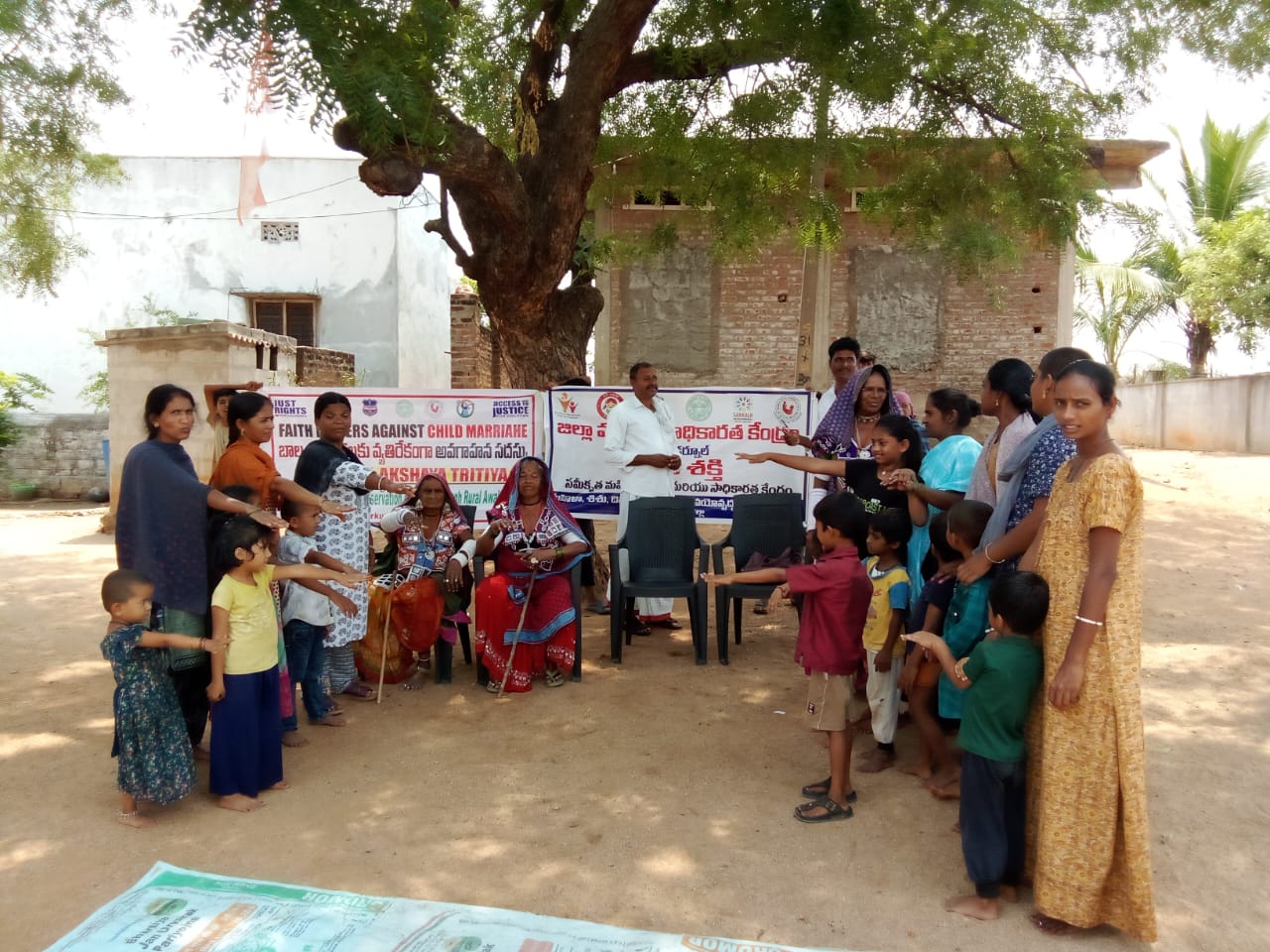
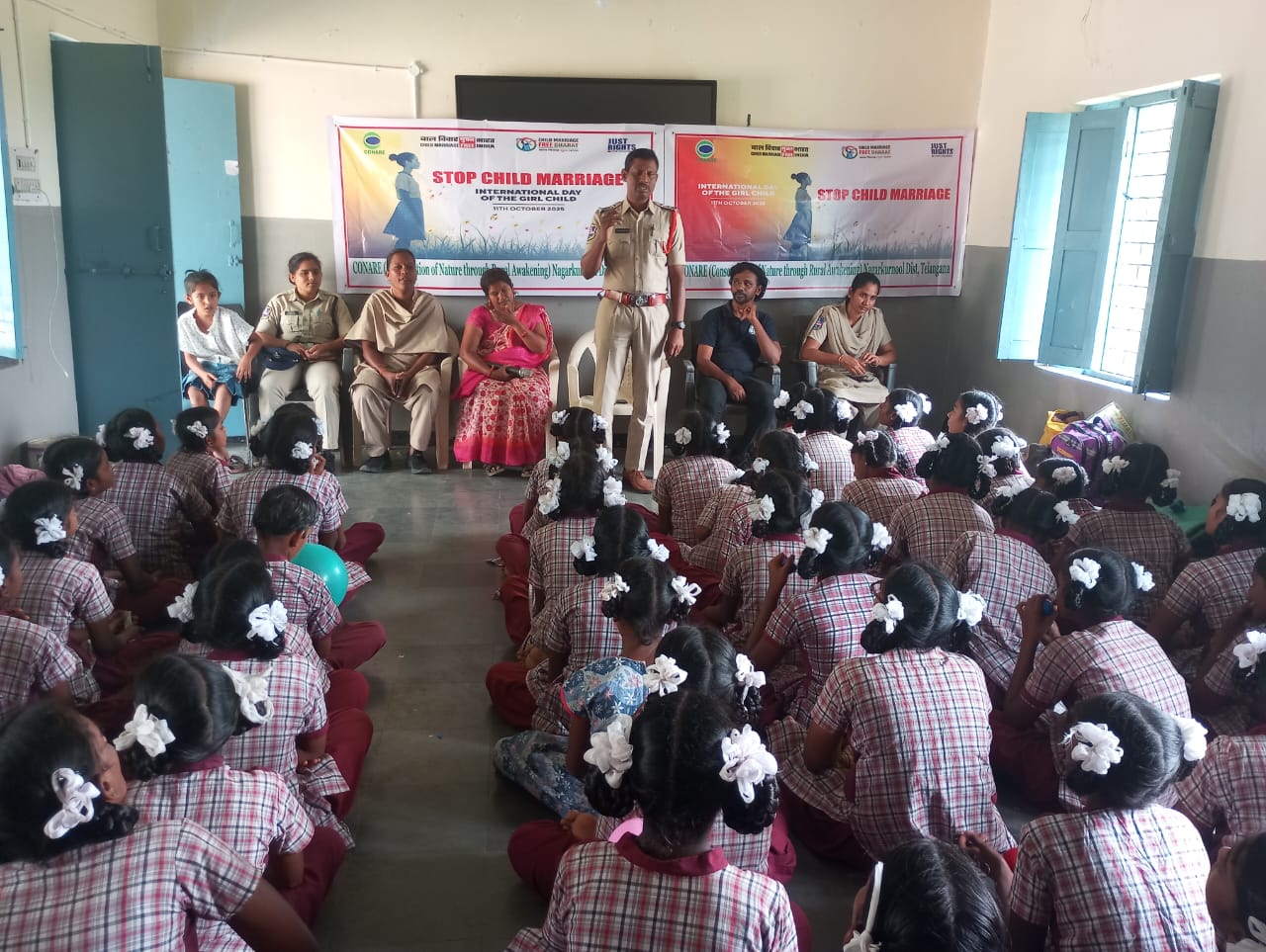
Child Marriage Prevention: In both Nagarkurnool and Kurnool, the campaign against child marriage was a cornerstone of the project. Teams worked tirelessly to identify vulnerable families and intervene in cases where children were at risk. In Nagarkurnool, 300 child marriages were prevented, while in Kurnool another 300 interventions were carried out. Each case involved counselling parents, mobilizing community leaders, and ensuring that children were enrolled in schools. These interventions shifted community norms and created strong social movements discouraging harmful practices.
Government Schemes Linkages: Economic vulnerability is often a driver of child marriage and child labour. To address this, the project facilitated access to government schemes for families in need. In Nagarkurnool, 4,000 families were linked to entitlements such as scholarships, pensions, and livelihood programs. Similarly, in Kurnool, 4,000 households accessed schemes including housing and livelihood support. In total, 8,000 families benefited, reducing financial pressures and reinforcing the idea that social protection is a right.
Child Protection Committees: Grassroots vigilance was strengthened through the activation of Child Protection Committees (CPCs). In Nagarkurnool, 50 CPCs, and in Kurnool another 50 Child Welfare Protection Committees were established. These committees, comprising local leaders, teachers, women’s representatives, and youth, became trusted institutions at the village level. They monitored cases of child marriage, trafficking, and abuse, reported violations, and coordinated with district authorities for immediate action.
Child Trafficking Interventions: The project also addressed child trafficking, a serious issue in vulnerable communities. In Kurnool, 25 trafficking cases were identified and resolved. Survivors were provided shelter, counselling, and rehabilitation services. Awareness campaigns and vigilance at transit points were strengthened, while networks with NGOs and government departments ensured reintegration of rescued children into safe environments.
Program Gallery